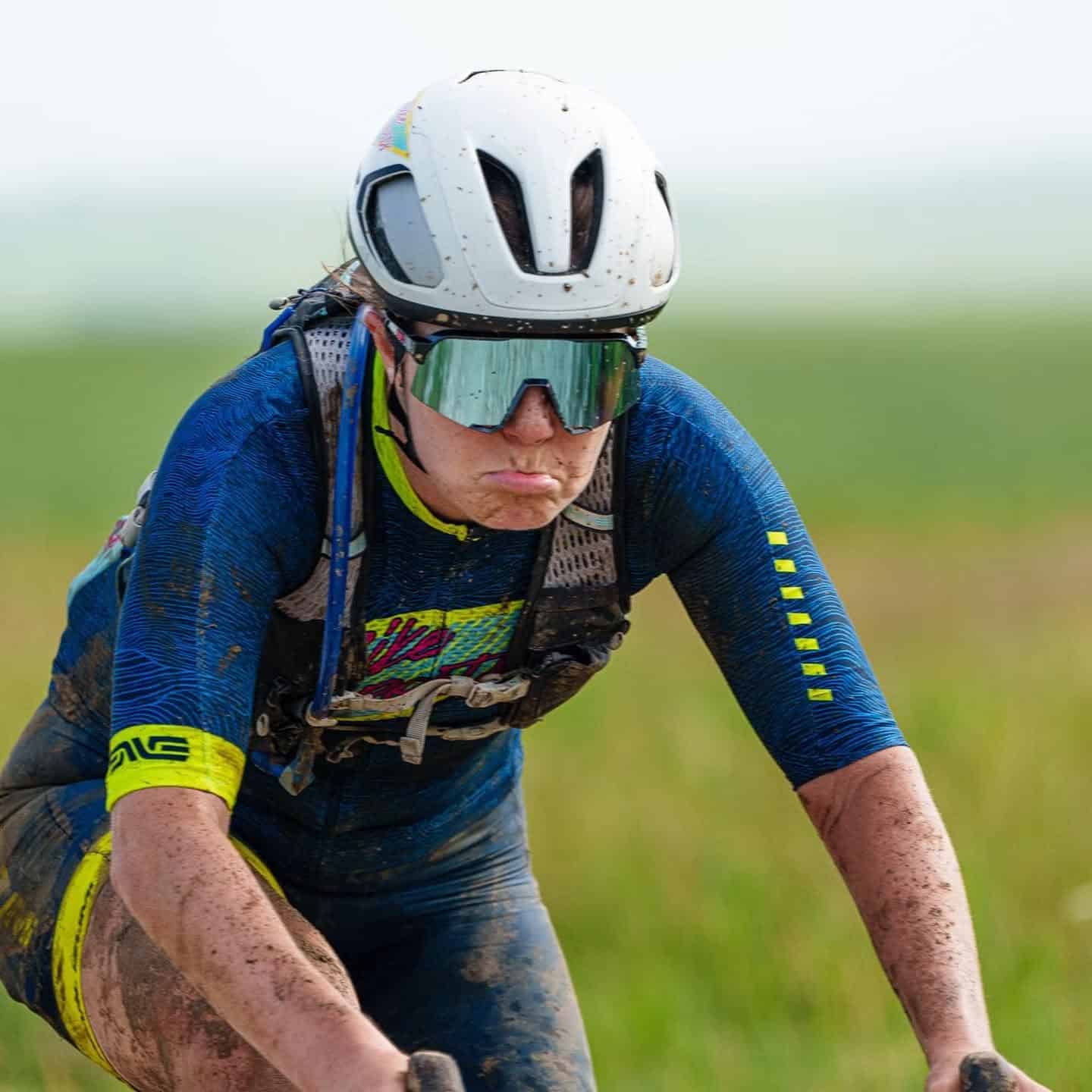
After roughly 20 years in competitive cycling, Whitney and Zack Allison are stepping away from professional racing. They are not leaving the sport, Fort Collins or the work they have built around bikes. Instead, they are making room for the businesses, events and community programs that have increasingly become the center of their lives.
The couple will continue running Bike Sports, FoCo Fondo, Friends of FoCo Fondo and their other projects, including Source Endurance. They will still ride, and Zack expects to line up for some races in 2027. But the demands of professional racing no longer fit the life they want to lead.
For Whitney, the decision follows 14 years as a professional and a final season that brought a sense of completion. For Zack, it reflects a gradual shift in priorities, as racing became less enjoyable and their work off the bike became more important.
Neither describes retirement as a rejection of cycling. They are stepping away from the obligations of professional racing while continuing to invest in the Northern Colorado cycling community they helped shape.
Racing Is Expensive in All Senses of the Term
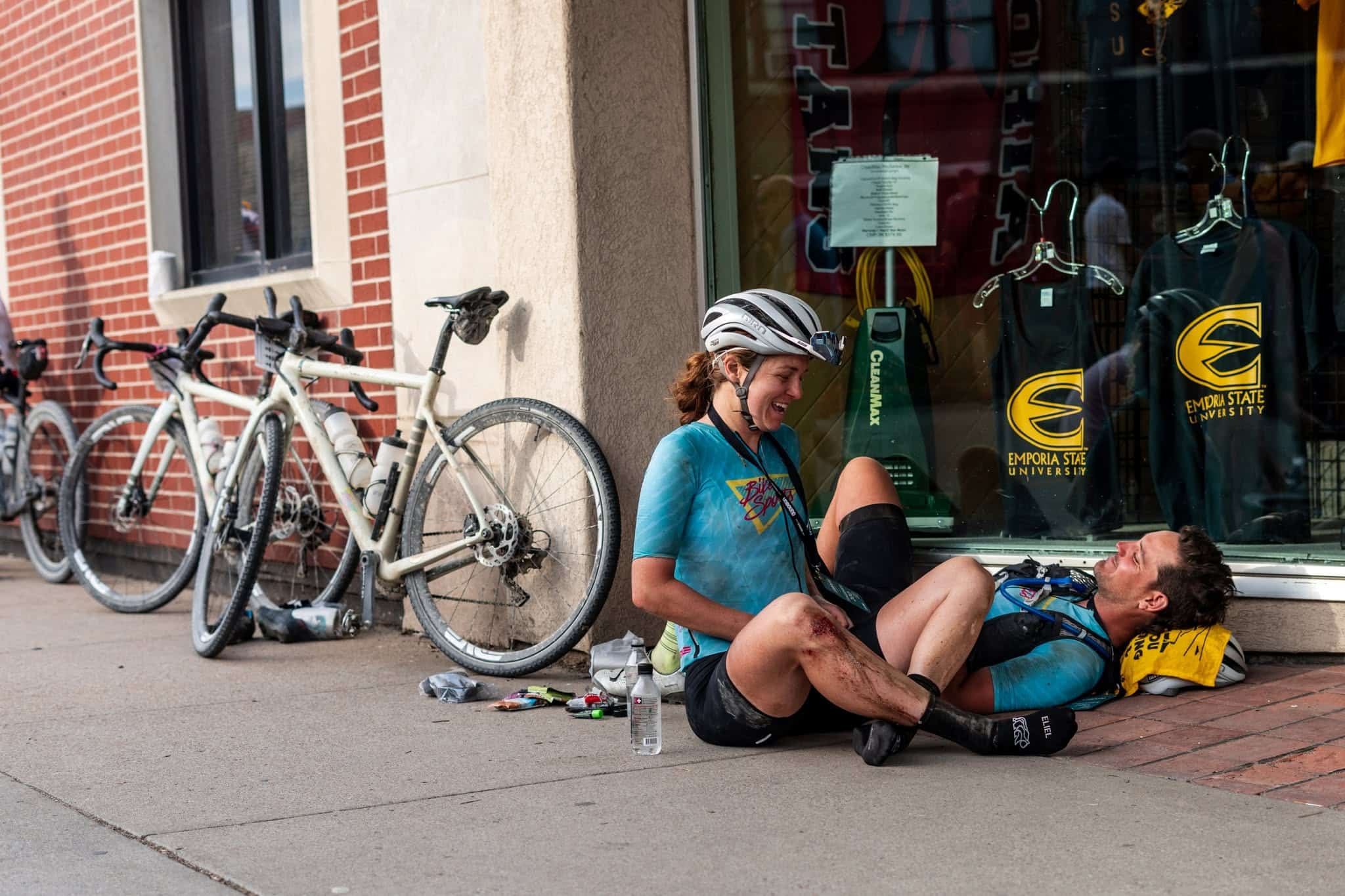
The financial side of professional cycling is only part of the cost. Training, recovery, equipment, travel and logistics consume enormous amounts of time, often leaving little room for anything else.
Whitney said the workload surrounding FoCo Fondo, Friends of FoCo Fondo and their other ventures has grown beyond what can reasonably fit alongside professional racing.
“After 20 years of racing and 14 years as a professional, I’m just ready for the next chapter,” she said. “Although it’s hard to truly understand unless you are behind closed doors, the load of FoCo Fondo, Friends of FoCo Fondo, and other ventures have been growing in time and energy and are more than a full-time position of work and load.”
Gravel racing added another layer. Competing at a high level requires substantial training volume, while the work of organizing events and running businesses continues whether an athlete is training, recovering or traveling.
“If your days off of traditional work are 4 and 6 hour rides and your training rest days are 8-10 hour hard cognitive load work days, when do you ever rest?” Whitney asked.
She said she feels gratitude and contentment about what racing has given her. She has no regrets and feels she has nothing left to do on the racing side.
Zack described a similar evolution. What they are doing away from the bike has become more important than being fast and going racing. Gravel gave both athletes a new opportunity after their road careers, but the discipline has become more demanding as fields have deepened and more riders and events compete for a smaller pool of sponsor dollars.
“Racing is expensive in all senses of the term,” Zack said. “For us right now, time is money.”
In the final third of 2025 alone, they raced on three continents. They dealt with stolen bikes and broken equipment, drove from Iowa to Idaho, and flew to Spain and South Africa.
“I would not do that for free or just for the love of racing or riding bikes,” he said. “That burden is what we’re retiring from.”
The travel was only one part of the commitment. Professional racing also meant arranging training around work, maintaining equipment, managing a van, recovering between events and keeping the businesses moving while they were away.
The decision is not about whether they still love riding bikes. It is about whether the full package required to race professionally remains worth the cost.
The Privateer Path
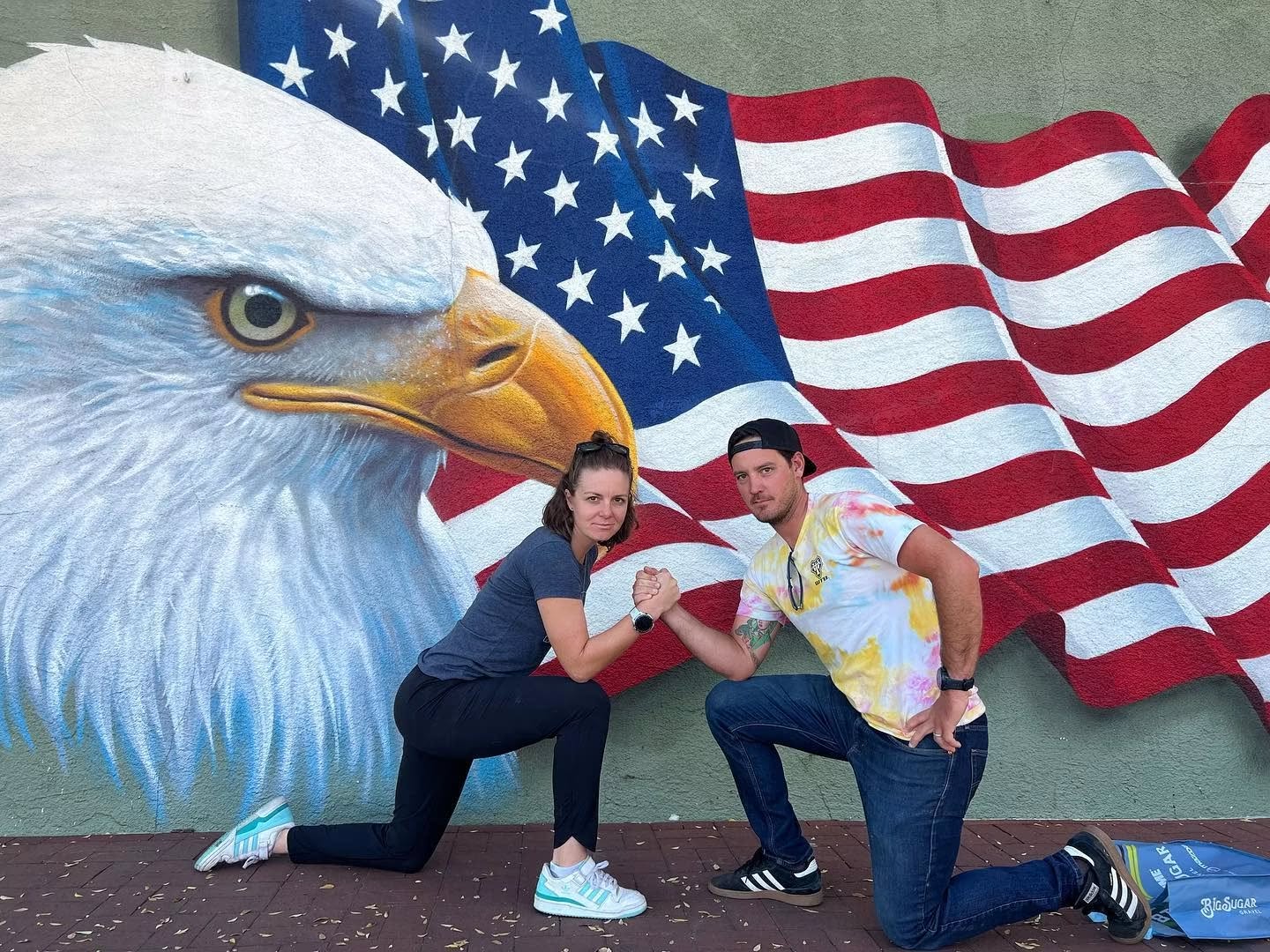
Both Allisons spent significant portions of their careers racing as privateers, building relationships with sponsors and managing their own programs rather than relying entirely on a team to organize their seasons.
That independence came with considerable work, but it also created opportunities.
Whitney said the relationships they developed with brands helped bring attention and support to Northern Colorado through FoCo Fondo and Friends of FoCo Fondo. She worked to make those partnerships valuable for sponsors so the support could help sustain community programming.
Zack said privateers can develop closer relationships with brands and have more freedom than they might on a traditional team. They can choose races, build their own programs and pursue opportunities that fit their interests.
That flexibility helped extend their careers. Gravel opened new possibilities for Zack after road racing and gave him opportunities to develop and test products, create content and contribute to projects such as Gravel Graceland and FoCo Fondo.
But the privateer model also requires athletes to manage the business side of their careers. Although team opportunities remain available, Zack said moving to a team for 2027 would mean reconsidering relationships they have built personally through Bike Sports and FoCo Fondo.
He also sees a broader shift in gravel sponsorship. Rather than supporting several individual privateers, a brand can consolidate its funding into a team of five to 10 riders.
For younger racers considering the same path, his advice is blunt: think carefully before going it alone. Build relationships, seek product and race entry support, consider part time work and develop a career path that can sustain you if a racing season does not go as planned.
Whitney encourages young athletes to build a future outside racing, whether through higher education, trade school, entrepreneurship or work that complements their sport. She also advises riders to follow their own interests rather than choosing a discipline simply because it is popular, and to seek support when opportunities arise.
Their careers demonstrate what the privateer route can make possible, but also how much work it takes to keep it going.
Two Paths to Fort Collins
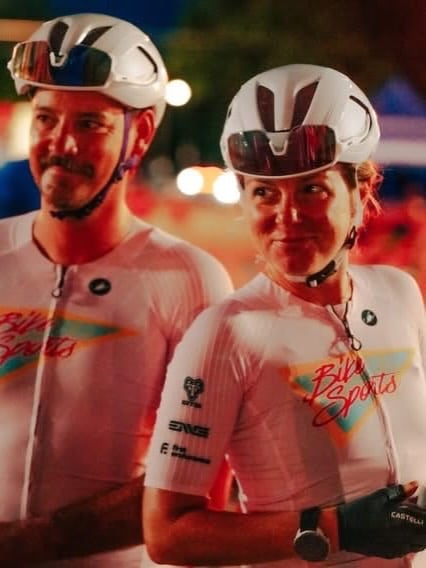
Whitney moved to Fort Collins after graduating from the University of Texas at Austin. Her parents had moved to town while she was in college, and she came to spend a summer racing bikes, expecting to use up her savings and move on. She never left.
Professional racing gave her the chance to travel and ride in many places, but she has not found anywhere she would rather live.
“We live in a place where if you care and are willing to do the work, you can actually change the community you live in for the better,” she said. She sees that ability to make a difference as one reason Northern Colorado has so many exceptional leaders in cycling.
Zack moved from Arlington, Virginia, to attend Colorado State University in 2008. His parents encouraged him to choose a school that made sense for both his education and bike racing. He graduated in 2012, by which time Fort Collins was growing as a cycling community. He and Whitney were living together, their friends were here, and Whitney had bought a house in 2011.
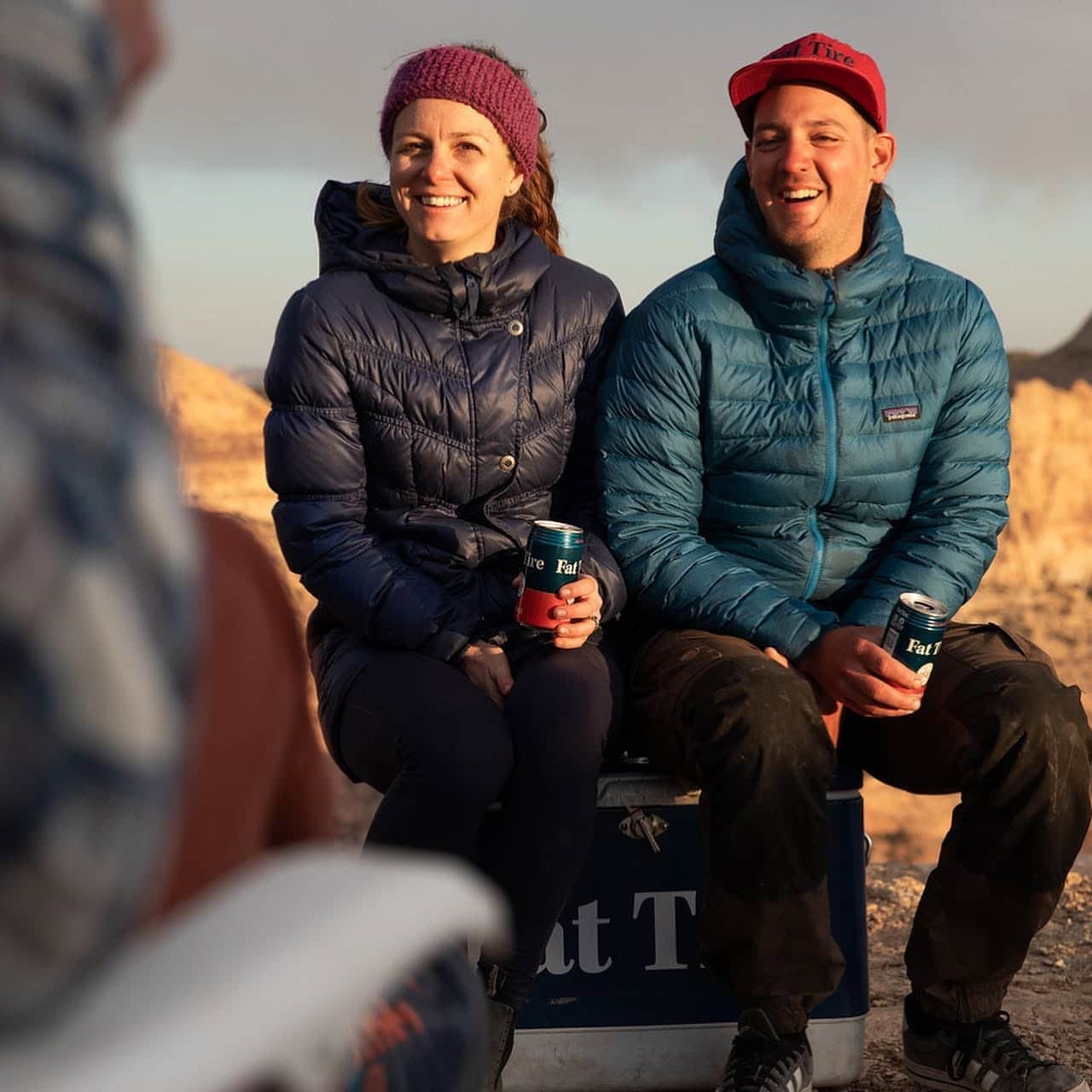
They met at a Lady Gaga dance party in Fort Collins through a mutual cycling friend. Whitney had just graduated from UT Austin, and Zack was a junior at CSU. They traveled to races together that summer and quickly became a couple.
They have now been married for 11 years.
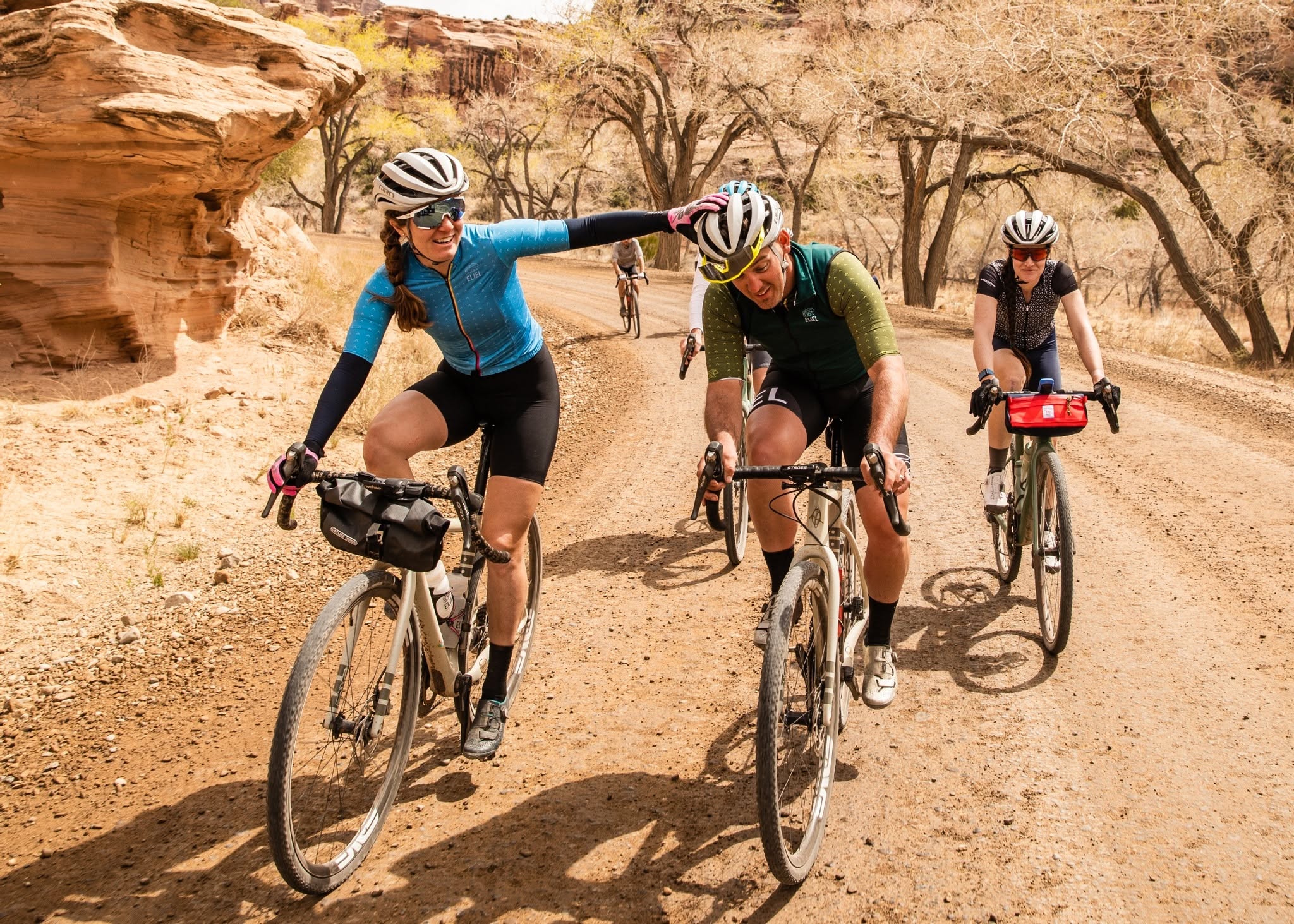
Their history overlaps with much of the region’s modern cycling story, from CSU Cycling, the CSU Oval Crit and Cobb Lake Circuit race to Collegiate Nationals, the CSU Bake Sale, Fort Follies and FoCo Fondo. They have raced, organized, supported and helped build events throughout Northern Colorado.
A Changing Sport
Whitney has seen women’s racing change significantly over her career. When she first arrived in Fort Collins, some local races paid prize money to masters categories but not to women, based on the assumption that women’s fields would be smaller.
During her career, USA Cycling adopted equal prize purses in professional racing, a standard that is now established in the United States. Whitney does not believe the sport has reached parity, but she has seen more women take up space in cycling.
Fort Follies is one example. The group Whitney co-founded with Christi in 2011 grew from roughly 25 riders to more than 250.
She still sees substantial challenges in creating realistic pathways for women to reach the top of the sport. Sponsorship, the hours required to train and race, culture, the balance between performance and influencer status, and the lack of a clear pathway all play a role.
Zack’s perspective has always centered on performance and technology. He remembers gluing narrow tubular tires onto rim brake wheels and has watched the adoption of wider tires, disc brakes, tubeless systems and other equipment changes.
Toward the end of his career, he felt he had reached his maximum potential. He wanted to hold on to the fun of racing and riding rather than keep chasing marginal gains at the expense of everything else.
That question of whether an event is actually fun now influences how the Allisons think about the experiences they create for others. Zack still enjoys the technical side of gravel riding and exploration, but he has become less interested in racing that feels unnecessarily chaotic or dangerous.
He has thought about retiring during many gravel races over the past few years. Whitney reached her own conclusion this season. After Transcordilleras, she no longer enjoyed the racing or felt she would be missing out by stopping. She emphasized that this was not a criticism of event organizers. It was her recognizing that her own racing chapter had ended.
The Results They Will Remember
Whitney identified five accomplishments that stand out from her career.
2013 Fort Follies Grand Prix. Hosting and racing the event helped push the Colorado cycling scene toward more opportunities for women. She believes it helped lead to the women’s event at the USA Pro Challenge in subsequent years and later the Colorado Classic. She remembers making some people angry and receiving support from others, but she is glad she trusted her instincts and pushed forward.
2018 Tour of California. Whitney earned the Most Aggressive Rider jersey on the Sacramento stage.
2019 Colorado Classic. She finished 2nd on Stage 1 in Steamboat Springs behind Chloe Dygert. The result was especially meaningful because it came almost a year after she was hit by the driver of an Airstream on Overland Trail near Laporte. Returning to that level took a difficult physical and mental comeback.
2021 Unbound 200. Whitney finished 4th after winning Co2uT, now known as Desert Gravel, shortly before the event. The results helped reveal a new side of her ability as an athlete and launched the next phase of her career. At the time, she had product support but no financial sponsor support. Later, she had $3,000 in financial support.
2026 Transcordilleras. Whitney earned her third win at the eight day bikepacking race in Colombia. She described it as an adventure as much as a race, with an emphasis on self discovery and the experience of riding in Colombia. It was also the last accomplishment she felt she needed to complete.
Zack’s five career race highlights include:
- Team Time Trial National Champion, 2014
- Team Pursuit National Champion, 2015
- 9th at the 200 mile Dirty Kanza, now Unbound Gravel, 2016
- 1st at the San Rafael Twilight professional criterium, 2017
- 1st at the Colorado North South bikepacking race, 2024
But Zack said the results he is proudest of may not appear on a results sheet. He values the people who tell him he got them into cycling or kept them riding, the people whose first event was FoCo Fondo and those who discovered new roads through Gravel Graceland.
The Last Starts, and What Comes Next
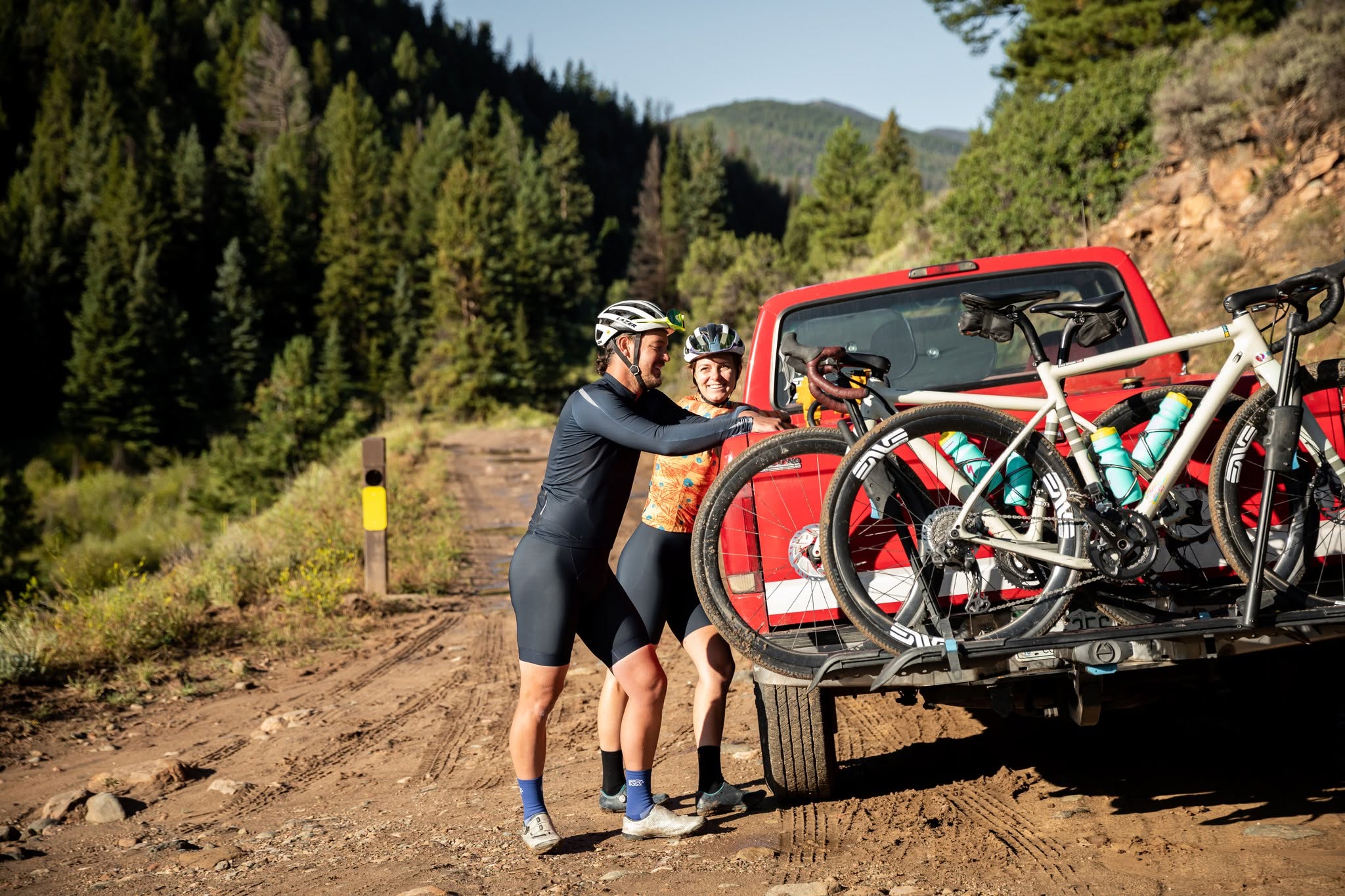
Whitney’s final professional race was Big Sugar. She said she had known for a long time that it would be her last, although she had not decided how to talk about it publicly.
Zack finished the races he had committed to, including Big Sugar. He enjoyed catching up with friends, brands and people from the sport, though he said he did not have much fun racing itself.
He is not ruling out competition entirely. He expects to race the CSU Oval Crit and some local or regional road races in 2027. He may return to the velodrome, too, especially if he rediscovers the fun of riding without the demands of professional training.
Whitney will continue riding and may line up at events, but she is not planning to approach them with competition as the goal. She wants time to pause and figure out what she wants next.
For now, the next steps are already taking shape. FoCo Fondo is moving to June 20th, 2027, and the new Gravduro event is scheduled for September 17th and 18th. The Allisons also have another project planned for late in the first quarter of 2027, with more details to come.
Friends of FoCo Fondo is working on changes intended to better serve the region in 2027. The organization supports access and inclusion through scholarships, clinics, leadership programs and community programming. Whitney said the nonprofit became increasingly important as industry funding for those efforts dried up. Partners such as New Belgium and the Rio have helped provide consistent support.
The Friends of FoCo Fondo Gala is scheduled for November 13th, where the organization plans to share more about its next steps. After the gala, the Allisons are looking forward to a two week vacation without bikes or computers.
Whitney wants to be more present for the work they have already built. She pointed to the value of a scholarship, a new skill learned at a clinic, free FoCo Fondo registration for a child or simply helping someone feel welcome in cycling even if they did not grow up around bikes.
“I’ve been giving at 120% for years and just giving at 100% would be really fantastic for my experience,” she said.
Zack is looking forward to a healthier lifestyle, being more available to friends and finally making progress on projects around the house. He also wants to ride for fun again.
Whitney described the couple as idea people who are also able to bring ideas to fruition. “I also have the ability once committed to endurance athlete the shit out of something,” she said.
That drive has helped them build racing careers while running businesses and creating events and programs for the community. Now, they want to direct more of that energy toward the next chapter.
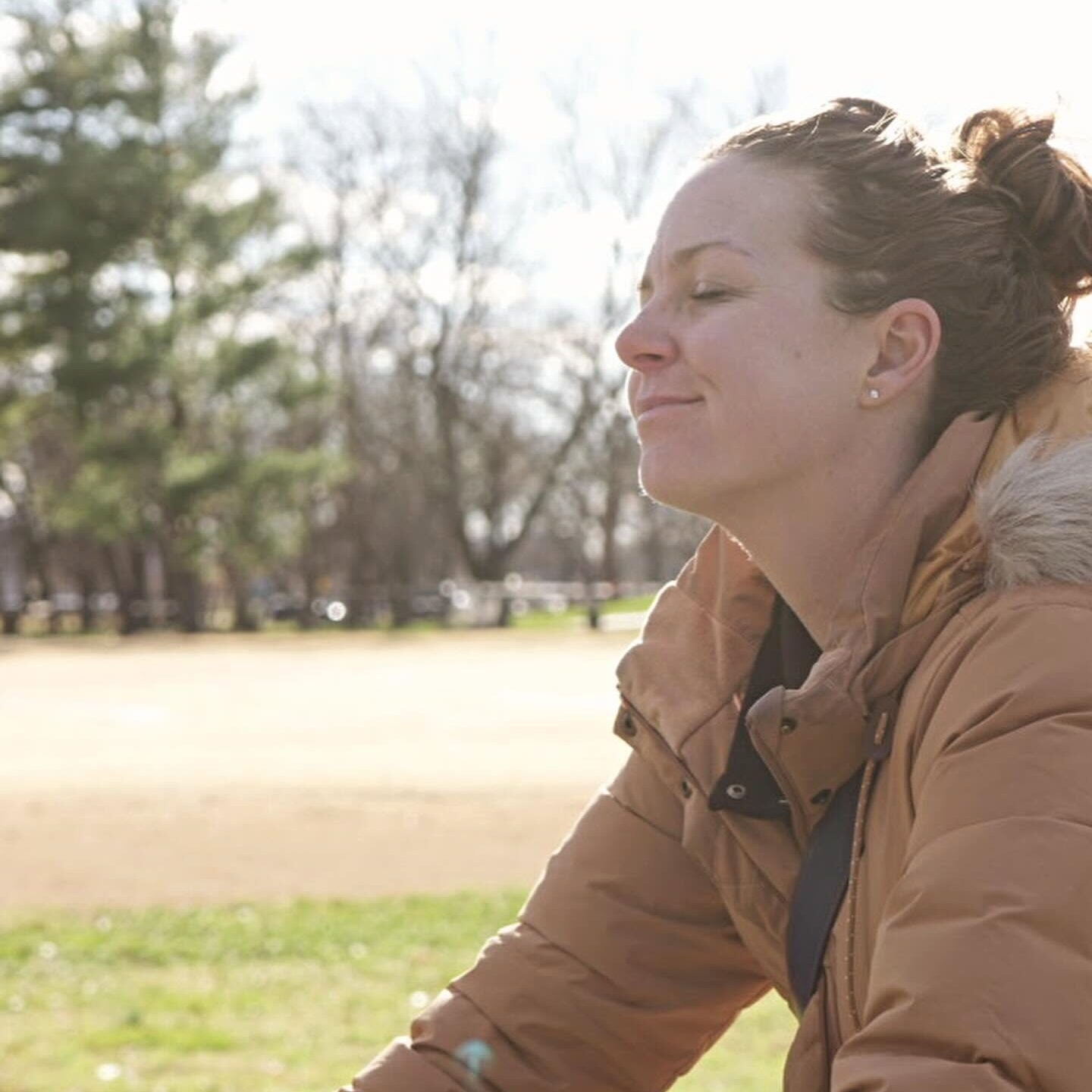
They are not going anywhere. They are changing how they spend their time, with more room for the people, projects and community that have become as important as the racing itself.
If you enjoy this content and appreciate the hustle that goes into YGR please consider supporting the site.