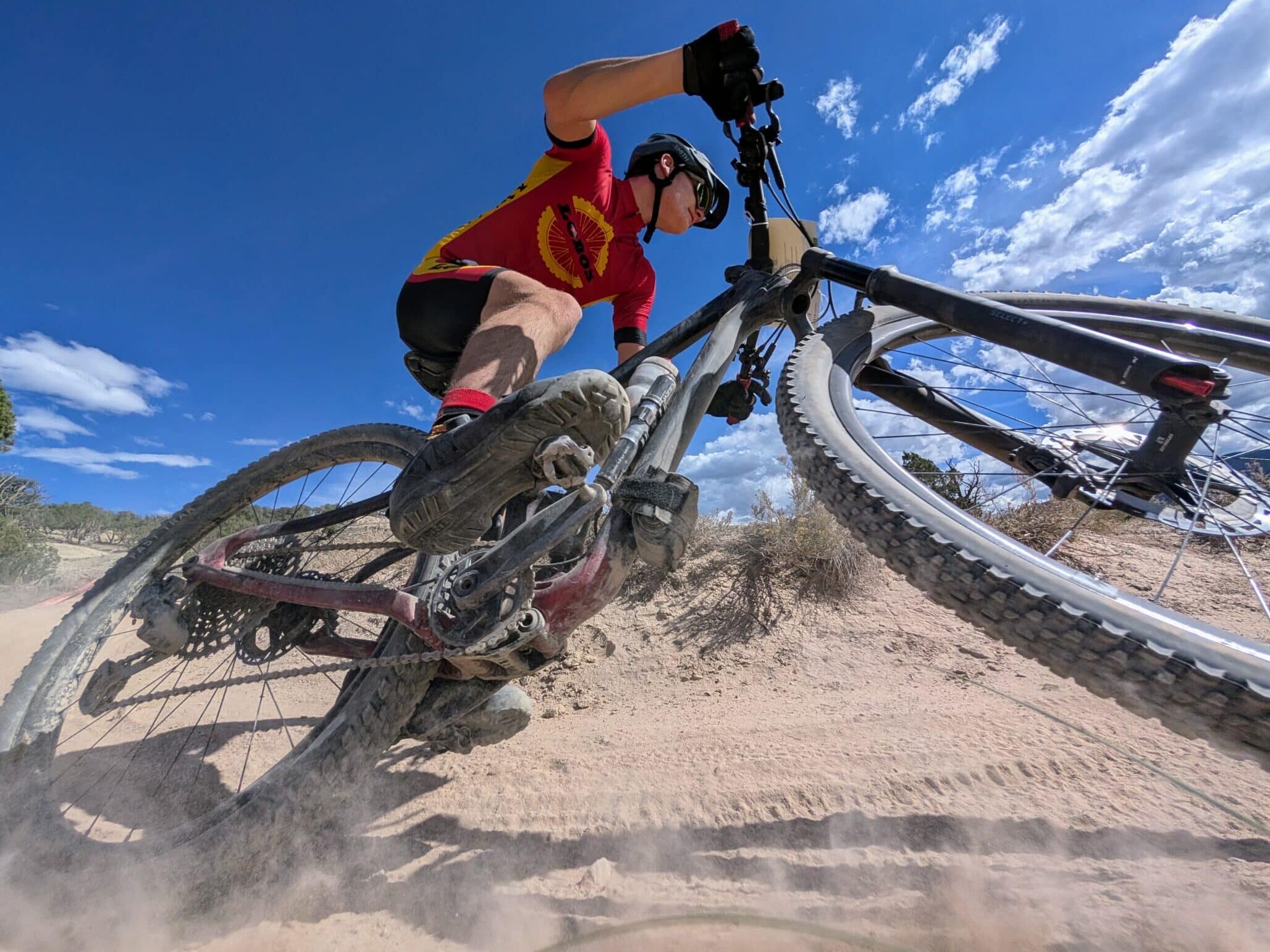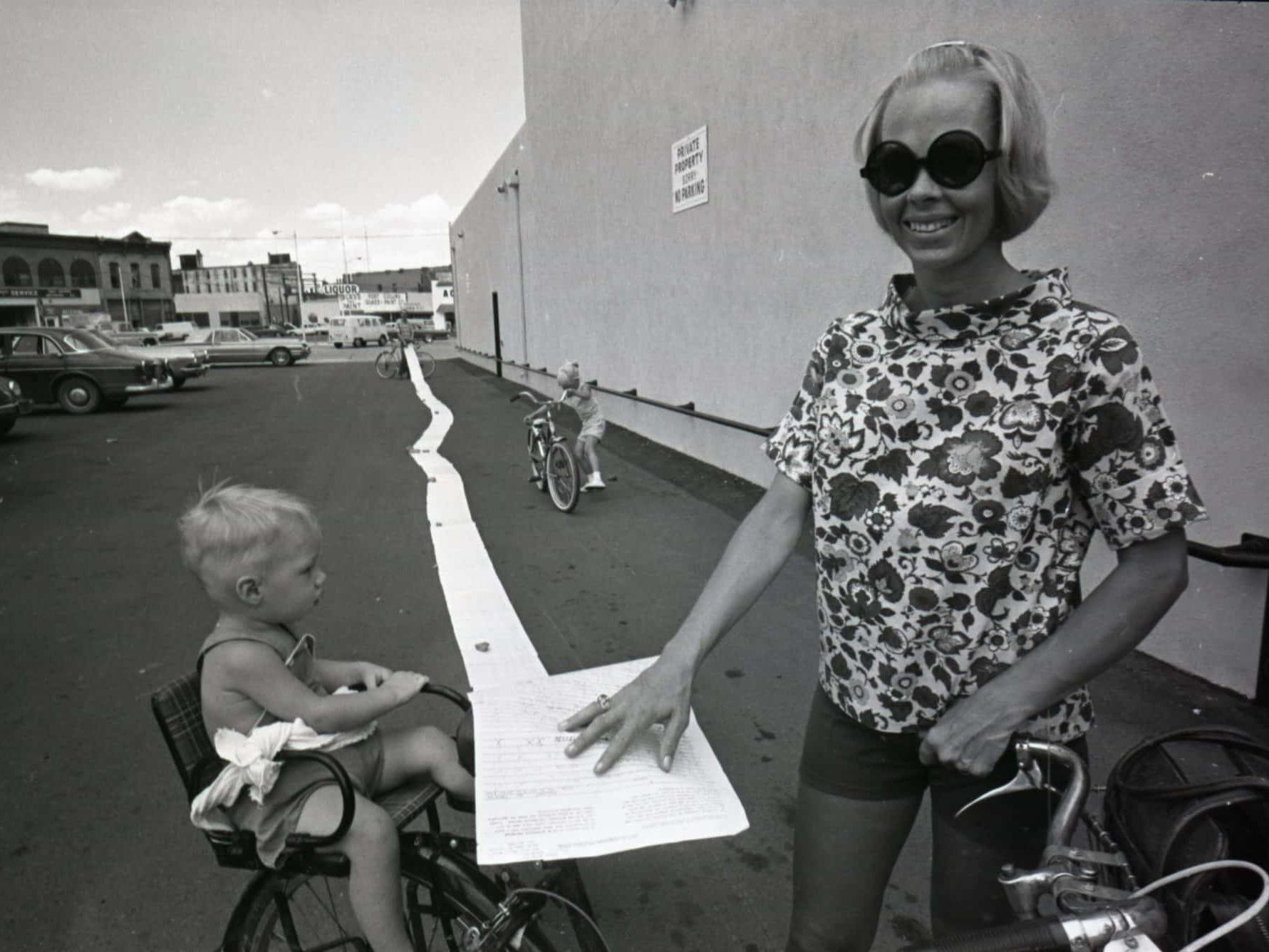


The voter-approved project to build a multi-use space at the former Hughes Stadium site is moving forward. This page will act as the hub for information about Hughes and, specifically, the bike park.
February 2026 Update
YGR confirmed that no formal challenges were filed against Ballot Questions 2H or 303 with the Larimer County Clerk and Recorder or Fort Collins election officials.
According to Ginny Sawyer, Project and Policy Manager with the City Manager’s Office, site feasibility and assessment work will take place during the spring and early summer of 2026. In January 2026, the City appropriated $30,000 from dedicated Bike Park funding to support these initial studies. These funds, combined with other sources and in coordination with Natural Areas, will support site feasibility and assessment work beginning in the spring and continuing into early summer.
Sawyer added that the City is working with the Raptor Center and the Bird Conservancy to better understand their needs and to secure permits for plant and bird audits on the site.
Hughes Timeline
NOVEMBER 2025
Fort Collins voters approve Ballot Question 2H, establishing a multi use vision for the former Hughes Stadium site. The measure dedicates approximately 60 acres to restored natural areas and wildlife corridors, allocates space for a city park and community bike park, preserves the existing disc golf course and sledding hill, incorporates environmental education areas, and requires ongoing consultation with local Indigenous communities. Receiving more Yes votes than the competing Question 303, 2H becomes the official framework guiding future site development and trail connectivity.
NOVEMBER 2025
Voters also approve Ballot Issue 2A, a 10 year renewal of the Community Capital Improvement Program sales tax. The measure earmarks five million dollars specifically for the design and initial construction of a community bike park, along with funding for broader bike, trail, and capital infrastructure projects across the city.
2024 TO 2025
The City of Fort Collins conducts feasibility studies and public engagement to evaluate potential bike park layouts, environmental constraints, access points, and compatibility with Natural Areas management goals.
JUNE 2023
The City of Fort Collins purchases the former Hughes Stadium property from Colorado State University for approximately 12.5 million dollars.
APRIL 2021
A citizen initiated ballot measure passes with approximately 69 percent voter approval, requiring the city to rezone the site as Public Open Lands and acquire it for permanent public use.
2018
Hughes Stadium is demolished.
2016
The final Colorado State University football season is played at Hughes Stadium.
2012
The Aggie Greens Disc Golf Course officially opens on the property.
2008
The site hosts Schwab Cycles Boss of Cross Series number two.
2008
The USA Cycling Collegiate Road National Championships are held in Fort Collins, with races starting and finishing at the Hughes Stadium site.
2007
The Fort Collins Cycling Festival Rist Canyon Road Race starts and finishes at Hughes Stadium.
2004
The Estes Cycling Challenge begins using the Hughes Stadium site as its start and finish location. Race courses include multiple laps along Horsetooth Reservoir, Bingham Hill, and the Overland Trail, with routes traveling back up and along the dams. One stage of the race takes place in Fort Collins, starting and finishing at Hughes Stadium.
MAY 1976
Bob Dylan and Joan Baez perform at Hughes Stadium.
JULY 1975
The Rolling Stones perform at Hughes Stadium.
JULY 1975
The first major concert at Hughes Stadium features the Beach Boys and Chicago.
1968
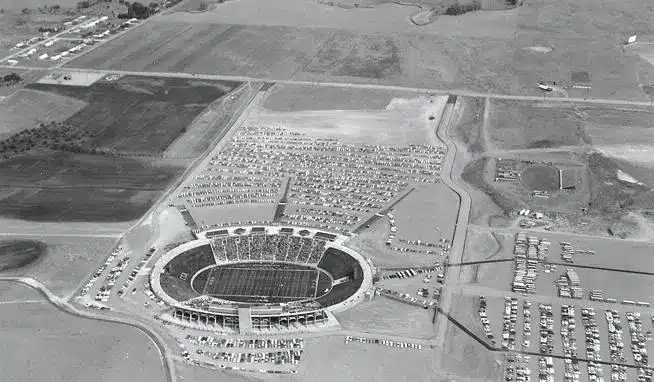
Hughes Stadium opens as the home of the Colorado State University Rams football team.
1957
The federal government grants the land to Colorado State University, then Colorado A and M, at no cost.
1946 TO 1949
The site is used as a staging area and gravel pit during construction of Horsetooth Reservoir.
1875 TO 1946
The land is owned and operated by several cattle ranchers, including William Bachelder, George W. Holdrege, and Lynn Mathews.
1874 TO 1875
William Bachelder patents the land, marking the beginning of private ranching use.
1861
The Treaty of Fort Wise is signed, significantly reducing tribal lands recognized a decade earlier.
1851
The Treaty of Fort Laramie recognizes the region as sovereign territory of the Arapaho and Cheyenne Nations.
1803
The United States claims the land as part of the Louisiana Purchase from France, despite existing Indigenous occupation and governance.
PRE 1803 TO 1878
The site is the ancestral homeland of the Ute, Lakota, Arapaho, and Cheyenne peoples. By 1878, the United States government completes the forced removal of these tribes from Colorado to reservations in Wyoming, Oklahoma, Montana, and New Mexico, though these Nations continue to maintain cultural and historical ties to the region.
This timeline reflects publicly documented historical records and ongoing planning processes and is not intended to fully represent the lived histories of the Indigenous Nations connected to this land.
If you enjoy this content and appreciate the hustle that goes into YGR please consider supporting the site.